
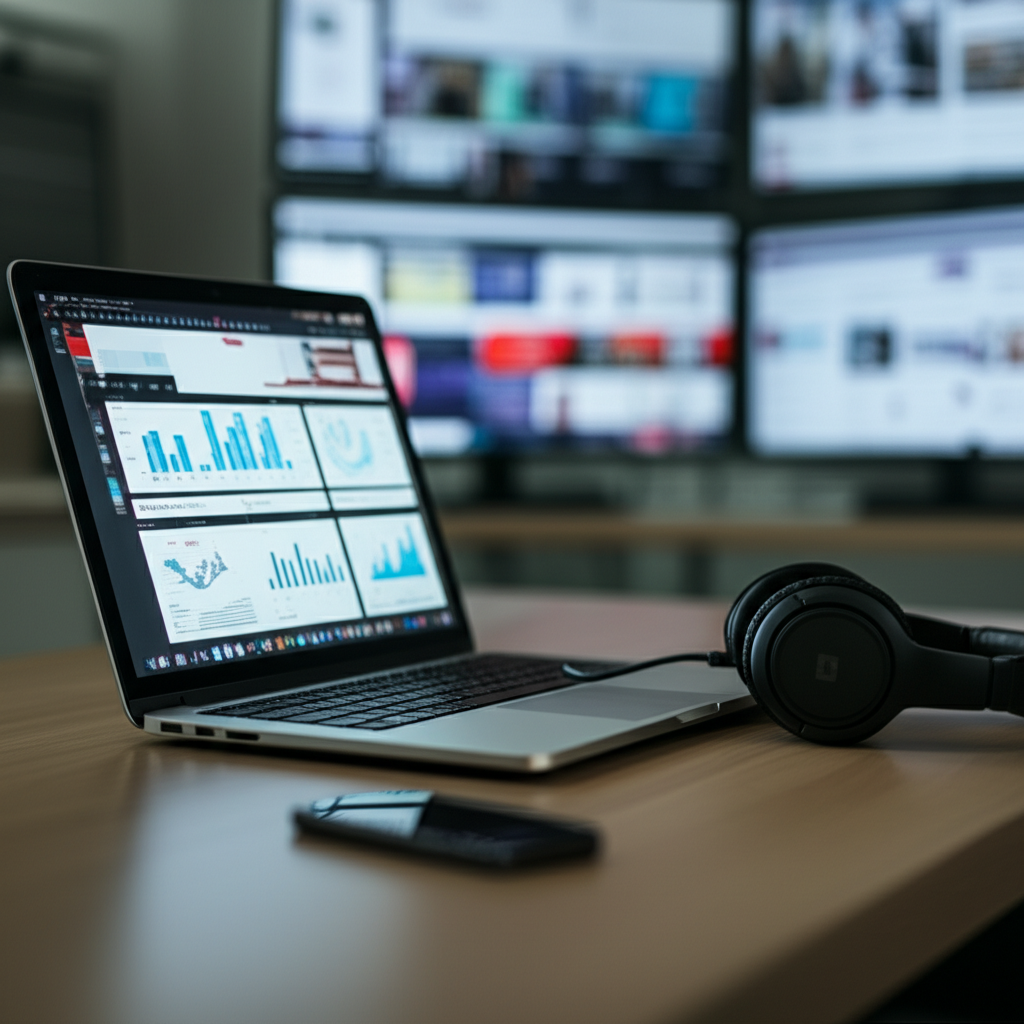
Understanding Media Monitoring: What It Is and Why It Matters
In today’s fast-paced digital world, information spreads rapidly. Media monitoring is the process of tracking mentions of your brand, products, services, key personnel, and related topics across various media channels. These channels include online news, social media platforms, blogs, forums, broadcast media (television and radio), and print publications.
But why is media monitoring so important? Simply put, it provides valuable insights that can significantly impact your business strategy and overall success. By keeping a close watch on what’s being said about you, you gain a better understanding of your brand reputation. Are customers happy with your products? Are there any emerging issues or negative sentiments that need to be addressed? Media monitoring helps you answer these critical questions.
Furthermore, media monitoring allows you to identify opportunities. You can discover new trends, potential partnerships, and even uncover competitive intelligence. By analyzing the data collected, you can make informed decisions about your marketing campaigns, product development, and overall business direction. Ignoring media monitoring is like navigating without a map – you’re essentially missing out on crucial information that could help you reach your destination more effectively. In essence, media monitoring is no longer a luxury, but a necessity for businesses looking to thrive in the modern landscape.
Key Features to Look for in a Media Monitoring Service
Choosing the right media monitoring service can feel overwhelming. Many options exist, each offering a unique set of features. To make an informed decision, focus on services that provide the functionalities most relevant to your specific needs and goals. Here are some key features to consider:
- Comprehensive Coverage: The service should monitor a wide range of sources, including news websites, social media platforms (Twitter, Facebook, Instagram, etc.), blogs, forums, and even broadcast media (TV and radio). The broader the coverage, the more complete your understanding of your brand’s presence.
- Real-time Monitoring and Alerts: Look for a service that provides real-time updates and alerts whenever your keywords or brand names are mentioned. This allows you to respond quickly to emerging trends, address negative feedback, and capitalize on positive mentions.
- Advanced Filtering and Search: Effective media monitoring requires the ability to filter out irrelevant information. The service should offer advanced search operators, boolean logic, and filtering options based on source, language, sentiment, and other criteria.
- Sentiment Analysis: Understanding the sentiment behind mentions is crucial. A good media monitoring service will automatically analyze the tone of mentions (positive, negative, or neutral) to help you gauge public perception.
- Reporting and Analytics: The service should provide comprehensive reports and analytics that track key metrics such as mention volume, reach, engagement, and sentiment trends. These insights can help you measure the effectiveness of your marketing campaigns and identify areas for improvement.
- Customization and Integration: The ability to customize the service to your specific needs is essential. Look for a service that allows you to define your own keywords, set up custom alerts, and integrate with other tools you use, such as CRM or social media management platforms.
By carefully evaluating these features, you can select a media monitoring service that provides the insights you need to protect your brand reputation, track your marketing performance, and stay ahead of the competition.
Top Media Monitoring Services for Beginners: A Comparative Overview
Choosing the right media monitoring service can feel overwhelming, especially for beginners. This section offers a comparative overview of some top services known for their user-friendliness and suitability for those new to media monitoring. We’ll highlight key features, pricing structures (where available), and overall ease of use to help you make an informed decision.
Google Alerts: A free and simple option, Google Alerts is a great starting point. You can track mentions of keywords, brands, or topics across the web. While it lacks advanced features, its simplicity makes it ideal for basic monitoring needs.
Mentionlytics: Designed with beginners in mind, Mentionlytics offers a clean interface and straightforward setup. It tracks mentions across social media, news sites, and blogs, providing sentiment analysis and basic reporting. Its pricing is relatively affordable, making it accessible for smaller businesses.
Brand24: Another user-friendly option, Brand24 focuses on social media monitoring. It offers real-time alerts, sentiment analysis, and influencer identification. Its intuitive dashboard and reporting features make it easy to understand your brand’s online presence. They offer a free trial, allowing you to test its capabilities before committing to a subscription.
Talkwalker Free Social Search: While Talkwalker offers enterprise-level solutions, their free social search tool is a valuable resource for beginners. It allows you to analyze social media conversations around specific keywords or hashtags, providing insights into trends and sentiment. It’s a great way to get a feel for social media monitoring without a financial investment.
Remember to consider your specific needs and budget when choosing a media monitoring service. Taking advantage of free trials is highly recommended to determine which platform best suits your requirements.
Setting Up and Using Your Chosen Media Monitoring Service: A Step-by-Step Guide
So, you’ve chosen a media monitoring service – great! Now, let’s get it up and running. This section provides a simple, step-by-step guide to help you set up your account and start tracking the media mentions that matter to you.
Step 1: Account Creation and Initial Setup: The first step is to create an account with your chosen service. This usually involves providing your email address, creating a password, and agreeing to their terms of service. Once your account is created, you’ll typically be guided through an initial setup process. This might involve specifying your industry, company size, or other relevant information to help the service tailor its recommendations.
Step 2: Defining Your Keywords and Queries: This is where the real magic happens. Think carefully about the keywords and phrases that are most relevant to your brand, products, competitors, and industry. Consider variations in spelling, common misspellings, and related terms. Most services allow you to create complex search queries using Boolean operators (AND, OR, NOT) to refine your results and avoid irrelevant mentions. For example, if you sell «organic coffee,» you might also want to track «fair trade coffee» and «sustainable coffee.»
Step 3: Setting Up Alerts and Notifications: Configure how you want to be notified when your keywords are mentioned. Most services offer email alerts, in-app notifications, and even integrations with other platforms like Slack or Microsoft Teams. Consider setting different alert levels for different keywords – for example, high-priority alerts for mentions of your brand name and lower-priority alerts for general industry news.
Step 4: Exploring the Dashboard and Features: Take some time to familiarize yourself with the service’s dashboard and features. Explore the different reports, analytics, and filtering options available. Most services offer tutorials and help documentation to guide you through the process.
Step 5: Testing and Refining: Once everything is set up, it’s important to test your setup and refine your keywords and queries as needed. Monitor the results for a few days and adjust your settings to ensure you’re getting the most relevant and accurate information.
Maximizing Your ROI: Best Practices for Media Monitoring and Analysis
Media monitoring is more than just collecting data; it’s about turning that data into actionable insights that drive business results. To truly maximize your return on investment (ROI), you need to implement best practices for both monitoring and analysis.
Refine Your Keywords and Sources: Regularly review and adjust your keywords to ensure they remain relevant and capture the most important mentions. Don’t be afraid to experiment with different keyword combinations and exclude irrelevant terms. Similarly, evaluate your sources. Are you monitoring the right websites, social media platforms, and news outlets? Focus on the channels where your target audience is most active.
Implement Sentiment Analysis: Understanding the sentiment behind mentions is crucial. Is the coverage positive, negative, or neutral? Sentiment analysis tools can help you automatically categorize mentions, allowing you to quickly identify potential crises or opportunities. Pay close attention to negative sentiment and address it promptly.
Track Key Performance Indicators (KPIs): Define specific KPIs that align with your business goals. These might include brand mentions, reach, engagement, sentiment score, or competitor mentions. Track these KPIs over time to measure the effectiveness of your media monitoring efforts and identify areas for improvement.
Generate Actionable Reports: Don’t let your data sit idle. Create regular reports that summarize key findings and provide actionable recommendations. Share these reports with relevant stakeholders, such as marketing, public relations, and customer service teams. Use the insights to inform your strategies and make data-driven decisions.
Stay Agile and Adapt: The media landscape is constantly evolving. Be prepared to adapt your monitoring and analysis strategies as new platforms and trends emerge. Regularly evaluate your tools and processes to ensure they remain effective and efficient.