
Understanding Broadcast Media Monitoring: What It Is and Why It Matters
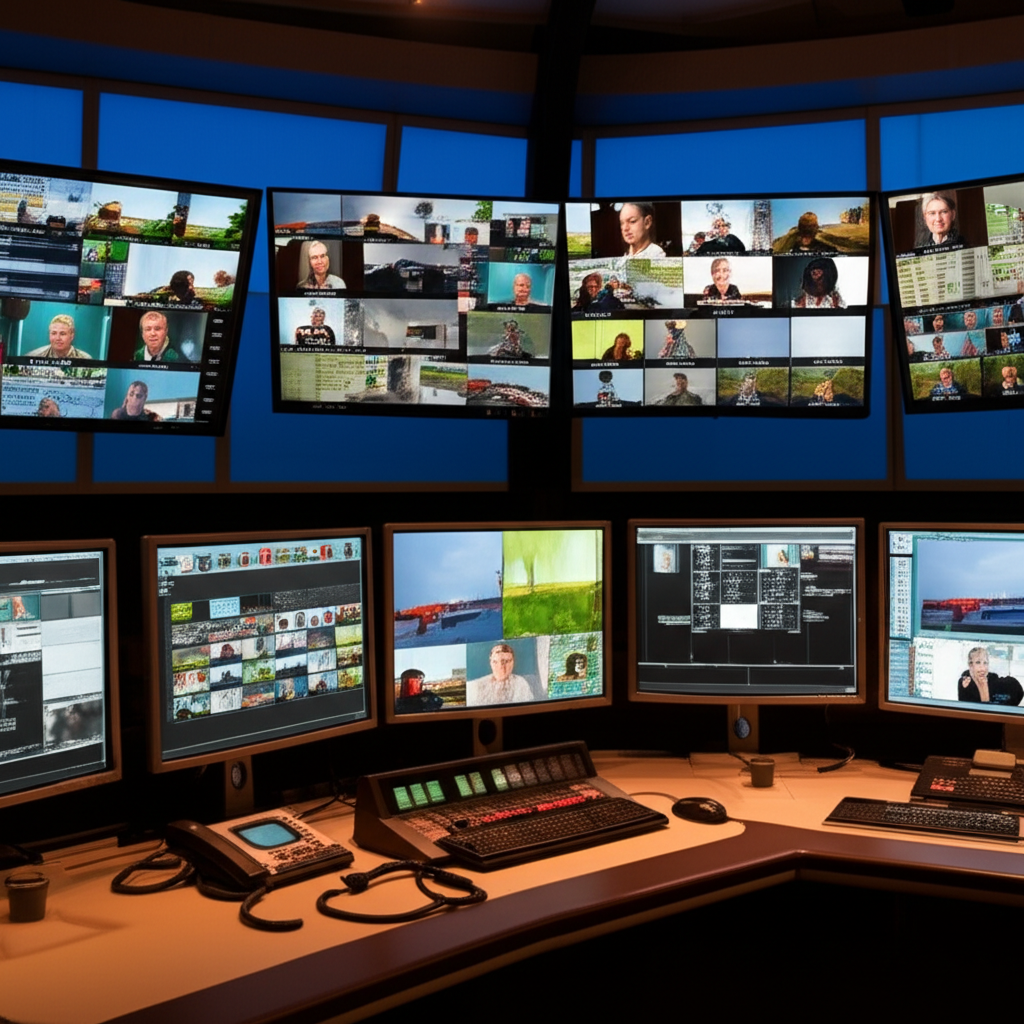
Broadcast media monitoring is the process of systematically tracking and analyzing content aired on television and radio. It involves capturing audio and video data from various broadcast channels, then using software and human analysis to identify mentions of specific keywords, brands, people, or topics. This allows organizations to understand how they are being portrayed in the media landscape.
But why is broadcast media monitoring so important? In today’s fast-paced world, news and opinions spread rapidly. What’s said on TV or radio can significantly impact a company’s reputation, influence public opinion, and even affect sales. Monitoring broadcast media provides valuable insights that can inform strategic decision-making.
For example, a company launching a new product can use broadcast media monitoring to track the initial reactions and reviews shared on news channels and radio programs. This feedback can then be used to adjust marketing strategies or address any negative perceptions quickly. Similarly, during a crisis, monitoring broadcast media allows organizations to stay informed about the narrative being presented to the public, enabling them to respond effectively and manage the situation.
Beyond crisis management and product launches, broadcast media monitoring is also crucial for competitive analysis. By tracking mentions of competitors, companies can gain insights into their strategies, marketing campaigns, and public perception. This information can be invaluable for staying ahead in the market and identifying new opportunities.
Key Components of a Broadcast Media Monitoring System
A robust broadcast media monitoring system isn’t a single piece of equipment, but rather a carefully orchestrated combination of technologies and processes. Understanding these key components is crucial for building an effective monitoring strategy.
1. Audio and Video Capture: This is the foundation. It involves capturing the broadcast signals from various sources, including over-the-air broadcasts, cable, satellite, and streaming platforms. High-quality capture ensures accurate data for analysis. This often involves specialized hardware and software designed for continuous recording.
2. Speech-to-Text (STT) Technology: Converting audio into text is essential for analyzing spoken content. STT technology, also known as Automatic Speech Recognition (ASR), transcribes the audio stream into searchable text. The accuracy of the STT engine directly impacts the quality of the insights derived from the monitoring process.
3. Keyword and Topic Detection: Once the audio is transcribed, the system needs to identify mentions of specific keywords, topics, and phrases. This component uses sophisticated algorithms to analyze the text and flag relevant content based on predefined criteria. This allows users to quickly pinpoint mentions of their brand, competitors, or industry trends.
4. Data Storage and Management: Broadcast media monitoring generates vast amounts of data. A reliable and scalable storage solution is necessary to archive the captured audio, video, and transcribed text. Efficient data management ensures that information can be easily accessed and analyzed when needed.
5. Alerting and Reporting: A critical component is the ability to generate real-time alerts when specific keywords or topics are detected. Customizable reports provide a comprehensive overview of media coverage, allowing users to track trends, measure sentiment, and assess the impact of their communication efforts.
Setting Up Your Broadcast Media Monitoring Strategy: A Step-by-Step Guide
Creating a successful broadcast media monitoring strategy requires careful planning and execution. This step-by-step guide will walk you through the essential stages, ensuring you capture the data you need and extract valuable insights.
Step 1: Define Your Objectives. Before you start monitoring, clearly define what you want to achieve. Are you tracking brand mentions, monitoring competitor activity, or measuring the impact of a specific campaign? Your objectives will determine the scope and focus of your monitoring efforts.
Step 2: Identify Relevant Keywords and Channels. Based on your objectives, identify the keywords, phrases, and topics that are most relevant to your brand or industry. Determine which broadcast channels (TV, radio) are most important to monitor. Consider local, national, and even international channels depending on your target audience.
Step 3: Choose Your Monitoring Tools. Select the right tools to capture and analyze broadcast media data. Options range from manual monitoring to automated software solutions. Consider factors like budget, features, and ease of use when making your decision.
Step 4: Configure Your Monitoring System. Set up your chosen tools with the keywords and channels you identified. Configure alerts and notifications to be promptly informed of relevant mentions. Test your setup to ensure it’s capturing the data you expect.
Step 5: Establish a Reporting Framework. Determine how you will organize and present the data you collect. Create a reporting schedule and define the key metrics you will track. This framework will help you analyze the data and extract actionable insights.
Analyzing and Interpreting Broadcast Media Data: Unveiling Actionable Insights
Once you’ve gathered broadcast media data, the next crucial step is analyzing and interpreting it to extract valuable insights. This process transforms raw data into actionable intelligence that can inform your strategies and improve your outcomes. Effective analysis goes beyond simply collecting mentions; it involves understanding the context, sentiment, and impact of each broadcast.
Start by categorizing your data. Group mentions by topic, program, time of day, and geographic location. This segmentation allows you to identify trends and patterns. For example, are mentions concentrated in specific regions or during particular news cycles? Are certain programs consistently discussing your brand or industry?
Next, analyze the sentiment associated with each mention. Is the coverage positive, negative, or neutral? Sentiment analysis tools can automate this process, but it’s essential to review the results for accuracy, as algorithms can sometimes misinterpret context. Understanding the sentiment helps you gauge public perception and identify potential PR crises early on.
Finally, consider the reach and influence of each broadcast. Mentions on national news networks carry more weight than those on local radio stations. Evaluate the audience size and demographics of each program to understand the potential impact of the coverage. By combining these elements – categorization, sentiment analysis, and reach – you can unlock actionable insights that drive informed decision-making and improve your overall broadcast media strategy.
Best Practices and Tools for Effective Broadcast Media Monitoring
To maximize the value of your broadcast media monitoring efforts, it’s crucial to adopt best practices and leverage the right tools. This ensures you’re not just collecting data, but also extracting meaningful insights that drive informed decisions.
Best Practices:
- Define Clear Objectives: Before you start, clearly define what you want to achieve with media monitoring. Are you tracking brand mentions, competitor activities, or public sentiment around a specific issue?
- Choose Relevant Channels: Focus on the broadcast channels that are most relevant to your target audience and industry. Monitoring everything can lead to information overload.
- Refine Your Keywords: Regularly review and refine your keywords to ensure accuracy and relevance. Include variations, misspellings, and related terms.
- Set Up Alerts: Configure real-time alerts to be notified immediately of critical mentions or emerging trends.
- Regularly Analyze Data: Don’t let data accumulate without analysis. Schedule regular reviews to identify patterns, trends, and potential issues.
Tools for Effective Monitoring:
A variety of tools are available to streamline your broadcast media monitoring. These range from basic search engines with advanced filters to sophisticated media intelligence platforms. Consider factors like budget, features, and ease of use when selecting a tool. Some popular options include:
- Real-time monitoring platforms: These platforms offer comprehensive monitoring across various broadcast channels, providing real-time alerts and in-depth analytics.
- Social listening tools: While primarily focused on social media, some tools also track mentions on online broadcasts and news sites.
- Media databases: These databases provide access to a vast archive of broadcast content, allowing you to search for specific mentions and analyze historical trends.
By implementing these best practices and utilizing the appropriate tools, you can transform your broadcast media monitoring efforts into a powerful source of actionable intelligence.