
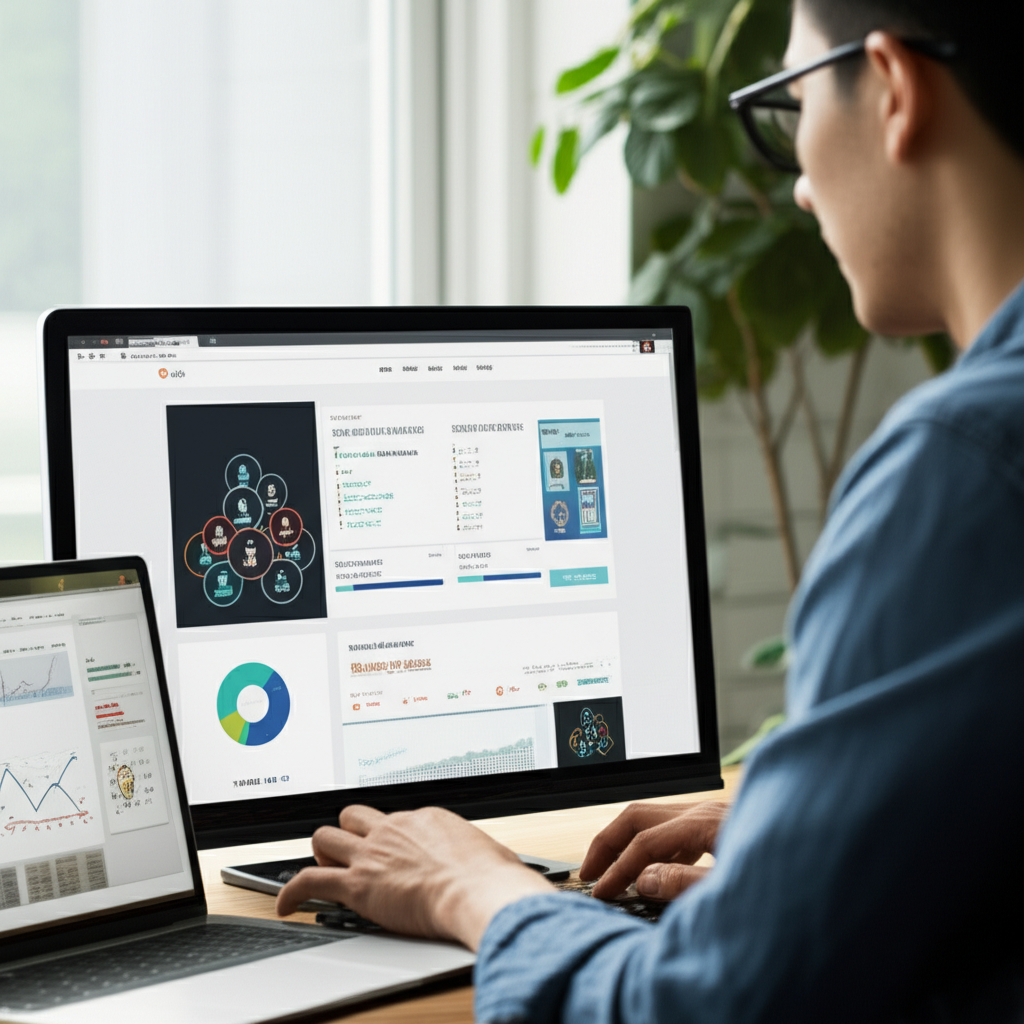
Understanding Social Media Monitoring: Definition, Importance, and Benefits
Social media monitoring is the process of tracking what people are saying about your brand, products, services, or industry online. It involves actively listening to conversations happening across various social media platforms, forums, blogs, and other online channels. Think of it as keeping a close eye on the digital world to understand public perception and sentiment.
Why is social media monitoring so important? In today’s interconnected world, online conversations can significantly impact a brand’s reputation and success. Monitoring allows you to identify potential crises early on, respond to customer inquiries promptly, and gain valuable insights into customer preferences and trends. It’s about being proactive rather than reactive in managing your online presence.
The benefits of social media monitoring are numerous. Firstly, it helps you protect your brand reputation by identifying and addressing negative comments or misinformation quickly. Secondly, it provides valuable customer feedback that can be used to improve products, services, and customer experiences. Thirdly, it allows you to identify and engage with brand advocates and influencers who can help amplify your message. Finally, it provides competitive intelligence, allowing you to understand what your competitors are doing and identify opportunities to differentiate yourself. By actively monitoring social media, you can gain a deeper understanding of your target audience, improve your marketing strategies, and ultimately drive business growth.
Identifying Your Monitoring Goals and Key Performance Indicators (KPIs)
Before diving into the world of social media monitoring, it’s crucial to define what you hope to achieve. Without clear goals, your efforts may lack direction and yield limited results. Identifying your objectives and the Key Performance Indicators (KPIs) that will measure your progress is the foundation of a successful monitoring strategy.
Start by asking yourself: What do I want to learn from social media? Are you primarily interested in brand reputation, customer feedback, competitor analysis, or identifying potential leads? Your answers will shape your monitoring focus and the metrics you track. For example, if your goal is to improve brand reputation, relevant KPIs might include sentiment analysis (positive, negative, neutral mentions), brand mention volume, and reach.
Here are some common social media monitoring goals and corresponding KPIs:
- Brand Awareness: Track brand mentions, reach, impressions, and share of voice.
- Reputation Management: Monitor sentiment, identify negative feedback, and track response times.
- Customer Service: Measure response times, resolution rates, and customer satisfaction scores.
- Competitive Analysis: Analyze competitor mentions, strategies, and audience engagement.
- Lead Generation: Identify potential customers discussing relevant topics or expressing needs.
Once you’ve established your goals and KPIs, ensure they are Specific, Measurable, Achievable, Relevant, and Time-bound (SMART). This framework will help you create a focused and effective social media monitoring strategy that delivers actionable insights and drives meaningful results.
Essential Tools and Techniques for Effective Social Media Monitoring
Successfully monitoring social media requires the right tools and techniques. These resources help you gather, analyze, and understand the vast amount of data available across different platforms. Choosing the appropriate tools and mastering key techniques are crucial for extracting valuable insights and achieving your monitoring goals.
Social Media Monitoring Tools: A variety of tools are available, ranging from free options to enterprise-level platforms. Free tools often provide basic keyword tracking and mention monitoring. Paid tools offer more advanced features, such as sentiment analysis, competitive analysis, and detailed reporting. Popular options include Hootsuite, Brandwatch, Sprout Social, and Mention. Consider your budget and specific needs when selecting a tool.
Keyword Research and Boolean Search: Effective monitoring starts with identifying the right keywords. Think about your brand name, product names, industry terms, and competitor names. Use Boolean search operators (AND, OR, NOT) to refine your searches and filter out irrelevant information. For example, searching for “social media monitoring AND tools NOT free” will narrow your results to paid social media monitoring tools.
Sentiment Analysis: Understanding the sentiment behind social media mentions is critical. Sentiment analysis tools use natural language processing (NLP) to determine whether a mention is positive, negative, or neutral. This helps you gauge public opinion about your brand and identify potential crises early on.
Platform-Specific Techniques: Each social media platform has its own unique features and search capabilities. Learn how to use advanced search operators on Twitter, explore relevant hashtags on Instagram, and monitor comments on Facebook pages. Tailoring your techniques to each platform will improve the accuracy and effectiveness of your monitoring efforts.
Implementing Your Social Media Monitoring Strategy: A Step-by-Step Guide
Now that you understand the importance of social media monitoring and have chosen the right tools, it’s time to put your strategy into action. This step-by-step guide will walk you through the process of implementing your social media monitoring strategy effectively.
Step 1: Define Your Keywords and Search Terms: Start by creating a comprehensive list of keywords, hashtags, and phrases relevant to your brand, industry, and competitors. Think about common misspellings and variations of your brand name. The more thorough your list, the more accurate your monitoring will be.
Step 2: Set Up Your Monitoring Tools: Configure your chosen social media monitoring tools with the keywords and search terms you identified. Most tools allow you to create specific alerts and notifications based on these terms. Ensure you understand how to use the tool’s filters and settings to refine your results.
Step 3: Establish a Workflow: Determine who will be responsible for monitoring social media, analyzing the data, and responding to mentions. Create a clear workflow for handling different types of mentions, such as positive feedback, negative reviews, and urgent inquiries. This ensures a consistent and timely response.
Step 4: Monitor and Engage: Regularly check your monitoring tools for new mentions and analyze the context surrounding them. Engage with your audience by responding to comments, answering questions, and addressing concerns. Remember to be professional and helpful in your interactions.
Step 5: Document and Refine: Keep a record of your monitoring activities, including the types of mentions you receive, your responses, and the overall sentiment surrounding your brand. Use this data to refine your keyword list, adjust your monitoring settings, and improve your engagement strategy over time.
Analyzing Data and Taking Action: Optimizing Your Social Media Presence
Social media monitoring is not just about collecting data; it’s about understanding what that data means and using it to improve your social media strategy. Once you’ve gathered information using your chosen tools and techniques, the next crucial step is to analyze the data and translate it into actionable insights.
Start by identifying trends and patterns in your data. Are there specific topics or keywords that consistently generate high engagement? Which platforms are performing best for your brand? Are there recurring negative comments or concerns that need to be addressed? Look for correlations between your social media activities and key performance indicators (KPIs) such as website traffic, lead generation, or sales.
Based on your analysis, take concrete steps to optimize your social media presence. If certain types of content resonate with your audience, create more of it. If a particular platform is underperforming, re-evaluate your strategy for that platform or consider shifting your focus to more effective channels. Address negative feedback promptly and professionally to demonstrate that you value your customers’ opinions. Use the insights gained from social media monitoring to refine your messaging, improve your customer service, and ultimately achieve your business goals.
Remember that social media monitoring is an ongoing process. Regularly analyze your data, adapt your strategy, and track your progress to ensure that you’re maximizing the impact of your social media efforts.