
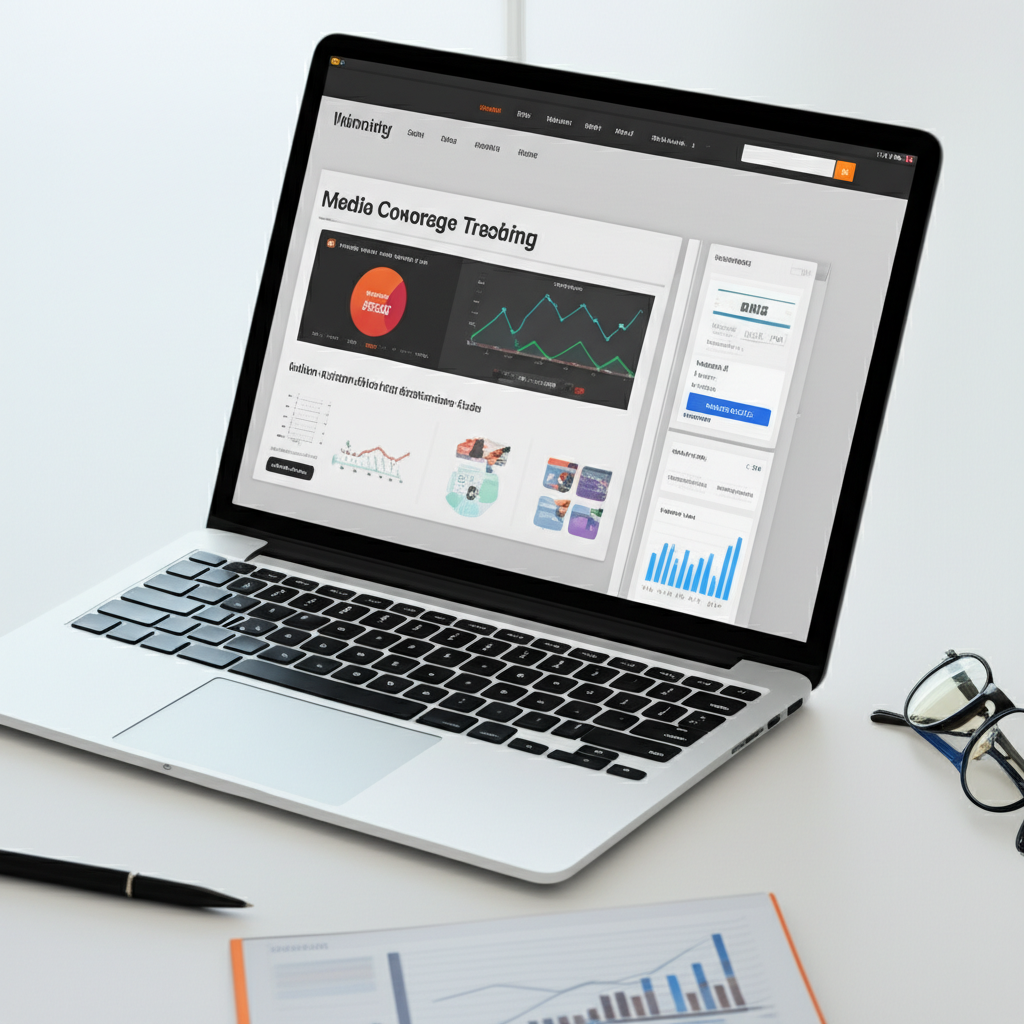
Understanding the Fundamentals of Media Coverage Tracking
In today’s fast-paced world, understanding what people are saying about your brand is more important than ever. Media coverage tracking is the process of monitoring various media channels to identify and analyze mentions of your company, products, services, or related keywords. This includes everything from traditional news outlets and magazines to online blogs, social media platforms, and forums.
At its core, media coverage tracking helps you understand your brand’s reputation and public perception. By knowing where and how your brand is being discussed, you can gain valuable insights into what’s working well and what needs improvement. This information is crucial for making informed decisions about your marketing strategies, public relations efforts, and overall business operations.
Why is media coverage tracking so important? It allows you to:
- Measure Brand Awareness: See how visible your brand is across different media channels.
- Identify Trends: Spot emerging trends and conversations related to your industry and brand.
- Manage Reputation: Address negative feedback or misinformation quickly and effectively.
- Evaluate Campaign Performance: Determine the success of your marketing and PR campaigns.
- Gain Competitive Intelligence: Understand what your competitors are doing and how they are being perceived.
In essence, media coverage tracking provides a comprehensive view of your brand’s presence in the media landscape, enabling you to make data-driven decisions and stay ahead of the curve.
Setting Clear Objectives and Identifying Key Performance Indicators (KPIs)
Before diving into the world of media coverage tracking, it’s crucial to define what you hope to achieve. Without clear objectives, you’ll be swimming in data without a compass. Start by asking yourself: What do I want to learn from tracking media coverage? Are you trying to build brand awareness, manage your reputation, measure the success of a campaign, or identify potential crises?
Once you have a clear understanding of your goals, you can identify the Key Performance Indicators (KPIs) that will help you measure progress. KPIs are quantifiable metrics that reflect the success of your media coverage efforts. Some common KPIs include:
- Reach: The estimated audience size exposed to your media mentions.
- Sentiment: The overall tone (positive, negative, or neutral) of the coverage.
- Share of Voice: Your brand’s presence in media compared to competitors.
- Website Traffic: The number of visitors driven to your website from media mentions.
- Social Media Engagement: The number of shares, likes, and comments generated by media coverage.
The KPIs you choose will depend on your specific objectives. For example, if your goal is to improve brand reputation, you might focus on sentiment analysis and identifying key influencers who are talking about your brand. If your goal is to drive sales, you might track website traffic and conversion rates from media mentions. By carefully selecting and monitoring your KPIs, you can gain valuable insights into the effectiveness of your media coverage and make data-driven decisions to improve your strategy.
Essential Tools and Techniques for Effective Media Monitoring
Effective media monitoring relies on a combination of the right tools and well-honed techniques. Choosing the appropriate resources can significantly streamline the process of gathering, analyzing, and interpreting media coverage data. This section explores some essential tools and techniques to help you monitor media effectively.
Media Monitoring Software: Several software solutions are available that automate the process of tracking mentions of your brand, products, or keywords across various media channels. These tools often provide features like real-time alerts, sentiment analysis, and customizable dashboards. Popular options include Meltwater, Brandwatch, and Mention.
Social Listening Platforms: Social media is a crucial component of media coverage. Social listening platforms, such as Hootsuite and Sprout Social, allow you to monitor social media conversations, identify trending topics, and engage with your audience directly. These platforms can provide valuable insights into public perception and brand sentiment.
Google Alerts: A free and simple tool, Google Alerts sends you email notifications whenever your specified keywords appear in Google’s search results, including news articles, blog posts, and websites. While not as comprehensive as paid solutions, it’s a useful starting point for basic media monitoring.
Manual Monitoring: While automated tools are valuable, manual monitoring remains essential. This involves actively searching for mentions of your brand on industry-specific websites, forums, and blogs that might not be indexed by automated tools. It also includes monitoring traditional media outlets like newspapers, magazines, and television broadcasts.
Boolean Search Operators: Mastering Boolean search operators (AND, OR, NOT) can significantly improve the accuracy of your media monitoring efforts. These operators allow you to refine your search queries and filter out irrelevant results, ensuring you capture the most relevant media coverage.
Analyzing and Interpreting Your Media Coverage Data
Once you’ve gathered your media coverage data, the next crucial step is to analyze and interpret it effectively. This process transforms raw data into actionable insights that can inform your strategies and improve your overall performance. Don’t just collect data; understand what it’s telling you.
Start by looking at the overall volume of coverage. Are you seeing an increase or decrease in mentions over time? Identify any spikes or dips and investigate the reasons behind them. Correlate these trends with your marketing campaigns, product launches, or any significant events related to your brand.
Next, delve into the sentiment analysis. Is the coverage generally positive, negative, or neutral? Pay close attention to the context of the mentions. A negative sentiment might not always be detrimental; it could highlight areas where you need to improve or address customer concerns. Conversely, positive sentiment reinforces what you’re doing well.
Analyze the sources of your coverage. Are you being mentioned in reputable publications and websites relevant to your industry? High-quality coverage from trusted sources carries more weight and can significantly impact your brand reputation. Identify key influencers and media outlets that are consistently mentioning your brand and nurture those relationships.
Finally, look for key themes and topics that are emerging from your media coverage. What aspects of your brand, products, or services are being discussed most frequently? This can provide valuable insights into what resonates with your audience and where you should focus your communication efforts. By carefully analyzing and interpreting your media coverage data, you can gain a deeper understanding of your brand’s perception and make data-driven decisions to enhance your media strategy.
Leveraging Media Coverage Insights for Strategic Improvement
Once you’ve diligently tracked and analyzed your media coverage, the real power lies in using those insights to improve your overall strategy. Media coverage data isn’t just about vanity metrics; it’s a goldmine of information that can inform decisions across various departments.
One key area for improvement is public relations. By understanding which messages resonate with the media and which publications are most receptive to your stories, you can refine your PR strategy for greater impact. Tailor your pitches to specific journalists and outlets, focusing on the angles that have proven successful in the past. If negative coverage surfaces, analyze the root cause and develop a plan to address the concerns and rebuild trust.
Marketing efforts can also benefit significantly. Media coverage can highlight emerging trends and customer preferences. Use this information to adjust your marketing campaigns, ensuring they align with current market demands and resonate with your target audience. Positive media mentions can be repurposed as testimonials and social proof, strengthening your brand’s credibility.
Furthermore, insights from media coverage can inform product development and innovation. Pay attention to how your products or services are being reviewed and discussed. Identify areas where improvements are needed and use this feedback to enhance your offerings. By actively listening to the media landscape, you can stay ahead of the curve and ensure your products meet the evolving needs of your customers.