
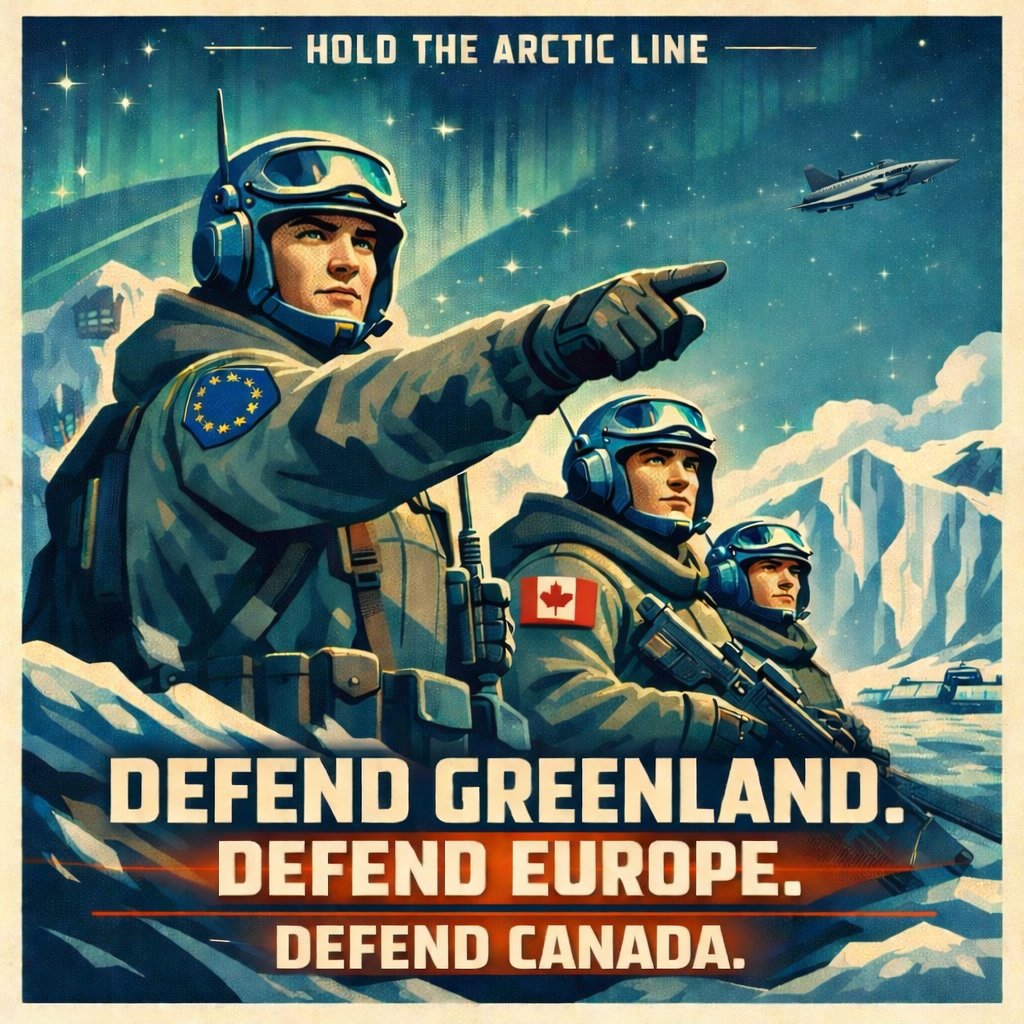
Arctic Defence: Decoding the #ArcticDefence Trend – Greenland, Europe, and Canada in the Crosshairs
The digital realm is currently buzzing with the hashtag #ArcticDefence, sparking conversations about the strategic importance of Greenland, Europe, and Canada in the face of evolving geopolitical dynamics. With an estimated tweet count exceeding 207,000, the trend signifies a growing public awareness and concern regarding Arctic security.
This online movement appears to be fueled by a complex interplay of factors. Analysis of X (formerly Twitter) reveals discussions ranging from resource competition and climate change impacts to military posturing and the need for international cooperation. Images circulating alongside the hashtag often depict Arctic landscapes, military exercises, and maps highlighting strategic locations.
Delving into the comments and shared media, a common thread emerges: a perceived need to bolster Arctic defenses to safeguard national interests and ensure regional stability. Concerns are voiced about potential challenges to sovereignty, the exploitation of natural resources, and the impact of melting ice on maritime routes. The trend also reflects anxieties about the increasing presence of various nations in the Arctic region, prompting calls for collaborative security measures.
The #ArcticDefence trend underscores the rising prominence of the Arctic in global strategic thinking. It highlights the interconnectedness of Greenland, Europe, and Canada in maintaining a secure and stable Arctic environment. Understanding the nuances of this online discourse is crucial for policymakers and stakeholders seeking to navigate the complexities of Arctic security in the years to come.
Social Media’s Arctic Alarm: Analysing the “Defend Greenland, Europe, Canada” Movement
The #ArcticDefence hashtag has ignited a firestorm of discussion across social media platforms, particularly X (formerly Twitter). The core message, “Defend Greenland, Defend Europe, Defend Canada,” resonates with a growing segment of users concerned about the shifting geopolitical landscape in the Arctic. But what exactly is driving this online movement, and what are its key characteristics?
Analysis of the social media activity reveals several recurring themes. Firstly, there’s a strong emphasis on perceived threats to Arctic sovereignty. Users frequently share news articles and opinion pieces highlighting Russian military activity in the region, framing it as a direct challenge to the security of Greenland, Canada, and European nations with Arctic territories. Images of military exercises and advanced weaponry are often circulated, fueling anxieties about a potential escalation of conflict.
Secondly, the movement taps into existing concerns about resource competition. The Arctic is rich in natural resources, including oil, gas, and minerals. Social media posts often express fears that these resources could become a flashpoint for international disputes, with some users accusing Russia and China of seeking to exploit the region at the expense of Arctic nations. Comments frequently highlight the need for stronger international cooperation and robust defense strategies to protect these resources.
Finally, the “Defend Greenland, Defend Europe, Defend Canada” movement reflects a broader trend of rising nationalism and security consciousness. Many users express a desire for their respective governments to take a more assertive stance in the Arctic, advocating for increased military spending and closer alliances with like-minded nations. The hashtag serves as a rallying cry for those who believe that the Arctic is a critical strategic region that must be protected from external threats.
Beyond the Hashtag: Geopolitical Implications of the #ArcticDefence Surge
The #ArcticDefence surge on social media transcends a mere online trend; it reflects deeper geopolitical anxieties and strategic considerations surrounding the Arctic region. The increased attention highlights the growing importance of Greenland, Europe, and Canada in the face of evolving global power dynamics.
One key implication is the intensified focus on resource competition. The Arctic is believed to hold vast untapped reserves of oil, gas, and minerals. As climate change makes these resources more accessible, nations are vying for control and influence, leading to potential conflicts and the need for robust defense strategies.
Furthermore, the #ArcticDefence movement underscores concerns about security and sovereignty. With Russia’s increased military presence in the Arctic, neighboring countries like Canada and those in Europe are compelled to bolster their defense capabilities and assert their sovereign rights over Arctic territories. This includes increased surveillance, military exercises, and diplomatic efforts to maintain stability.
The hashtag also serves as a platform for discussing the environmental impact of increased activity in the Arctic. Balancing resource extraction with environmental protection is a critical challenge, and the online conversation reflects the growing awareness of the need for sustainable development in this fragile ecosystem. Ultimately, the #ArcticDefence surge signifies a heightened awareness of the Arctic’s strategic importance and the complex geopolitical challenges it presents.