
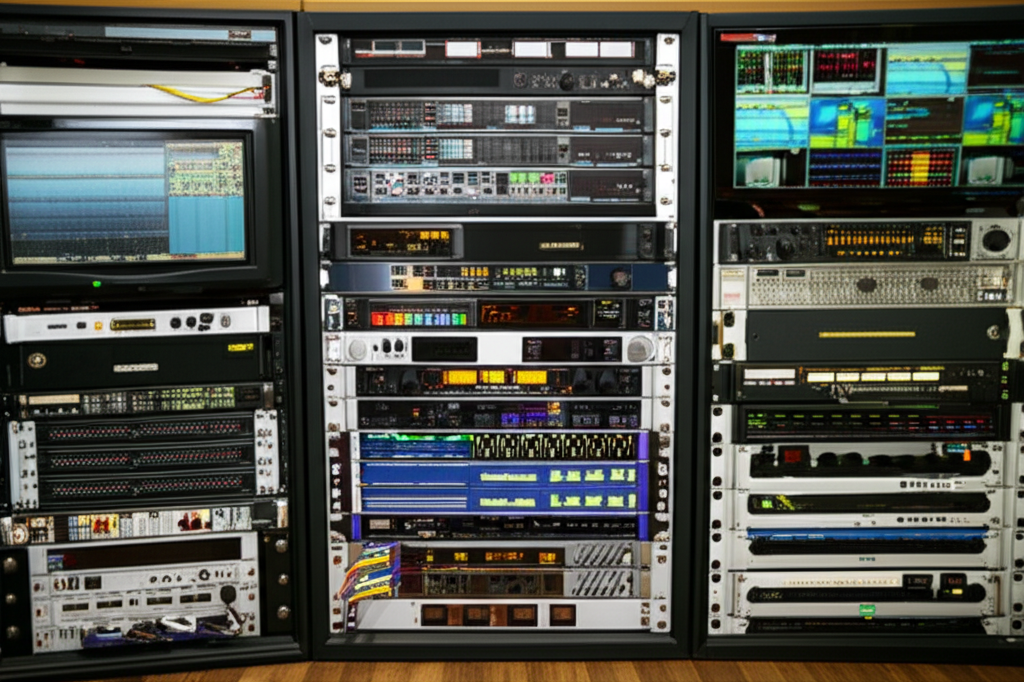
Introduction to Broadcast Monitoring: What, Why, and Who Needs It?
Broadcast monitoring is the process of systematically observing and analyzing audio and video content transmitted across various platforms. This includes radio, television, and online streaming services. It’s more than just watching or listening; it’s about ensuring quality, compliance, and competitive awareness.
Why is broadcast monitoring important? Several reasons stand out. Firstly, it ensures quality control. Monitoring helps identify and rectify technical issues like audio distortion, video glitches, or signal loss, maintaining a consistent and professional broadcast. Secondly, it’s crucial for regulatory compliance. Broadcasters must adhere to specific rules and guidelines regarding content, advertising, and emergency alerts. Monitoring helps verify compliance and avoid potential penalties.
Furthermore, broadcast monitoring provides valuable competitive intelligence. By tracking competitors’ programming, advertising strategies, and audience engagement, broadcasters can gain insights to improve their own content and market positioning. It also aids in verifying ad placement and ensuring that commercials are aired correctly and at the agreed-upon times.
So, who needs broadcast monitoring? The list is extensive. Radio and television stations rely on it for quality assurance and regulatory compliance. Advertising agencies use it to verify ad placements and campaign effectiveness. Content creators and distributors need it to protect their intellectual property and track usage. Regulatory bodies utilize it to enforce broadcasting standards. In short, anyone involved in the creation, distribution, or regulation of audio and video content can benefit from broadcast monitoring services.
Decoding the Jargon: Key Terms in Broadcast Monitoring Explained
Broadcast monitoring involves a unique set of terms that can seem confusing at first. Understanding these terms is crucial for effectively using and evaluating broadcast monitoring services. This section clarifies some of the most common jargon you’ll encounter.
Audio Loudness: Refers to the perceived loudness of audio content. Broadcast standards often regulate loudness to ensure a consistent listening experience across different channels and programs. Monitoring loudness helps maintain compliance and prevent jarring volume changes.
Closed Captioning (CC): Textual representations of the audio portion of a program, displayed on screen for viewers who are deaf or hard of hearing. Monitoring CC ensures accuracy and proper synchronization with the audio.
Video Quality (VQ): A measure of the clarity, sharpness, and overall visual appeal of a video signal. Factors like resolution, bit rate, and compression artifacts can affect VQ. Monitoring VQ helps identify and address issues that degrade the viewing experience.
Program Identification (PID): A unique identifier assigned to each program within a broadcast stream. Monitoring PIDs ensures that the correct programs are being transmitted and that there are no conflicts or errors in the broadcast schedule.
Transport Stream (TS): A standard container format for transmitting audio, video, and data over digital broadcast networks. Monitoring the TS helps identify errors or disruptions in the transmission process.
Metadata: Data that provides information about other data. In broadcast monitoring, metadata can include program titles, descriptions, and scheduling information. Monitoring metadata ensures accuracy and consistency across different platforms.
By understanding these key terms, you’ll be better equipped to navigate the world of broadcast monitoring and make informed decisions about your monitoring needs.
Core Features and Functionality: What to Look for in a Broadcast Monitoring Service
When selecting a broadcast monitoring service, understanding the core features and functionalities is crucial. These features determine the effectiveness of the service in ensuring quality, compliance, and competitive intelligence.
Comprehensive Channel Coverage: A robust service should offer monitoring across a wide range of channels, including terrestrial, satellite, cable, and online streaming platforms. This ensures you have a complete view of your broadcast footprint and can identify issues regardless of the distribution method.
Real-time Monitoring and Alerting: The ability to monitor broadcasts in real-time is essential for immediate issue detection. Look for services that provide customizable alerts based on specific criteria, such as signal loss, audio problems, or content violations. Prompt alerts enable swift corrective action, minimizing potential damage.
Audio and Video Quality Analysis: A key function is the ability to analyze audio and video quality. This includes measuring parameters like loudness, signal-to-noise ratio, and video resolution. Identifying and addressing quality issues ensures a consistent and professional viewing experience for your audience.
Compliance Recording and Archiving: Many industries require broadcasters to maintain records of their broadcasts for compliance purposes. The service should offer reliable recording and archiving capabilities, allowing you to easily retrieve and review past broadcasts. Ensure the archiving solution meets your specific storage and retention requirements.
Competitive Analysis Tools: Beyond basic monitoring, some services offer tools for analyzing competitor broadcasts. This can include tracking advertising placements, monitoring content strategies, and identifying emerging trends. Such insights can inform your own broadcast strategy and help you stay ahead of the competition.
Setting Up and Utilizing Broadcast Monitoring: A Step-by-Step Guide
Implementing a broadcast monitoring system might seem complex, but breaking it down into manageable steps simplifies the process. This section provides a practical guide to setting up and effectively using your chosen service.
Step 1: Define Your Monitoring Objectives. Before you begin, clearly outline what you want to achieve. Are you primarily concerned with compliance, signal quality, competitive analysis, or ad verification? Your objectives will dictate the specific features and configurations you need.
Step 2: Configure Your Monitoring Parameters. This involves selecting the channels, regions, and timeframes you want to monitor. Most services allow you to customize alerts based on specific events, such as signal loss, audio distortion, or the appearance of certain keywords.
Step 3: Set Up Alert Notifications. Configure how you want to receive alerts – email, SMS, or through a dedicated dashboard. Ensure the notification settings are tailored to your team’s workflow and response times.
Step 4: Regularly Review and Analyze Data. Don’t just set it and forget it. Regularly review the data collected by your broadcast monitoring service. Look for trends, identify recurring issues, and use the insights to optimize your broadcast strategy.
Step 5: Train Your Team. Ensure your team understands how to use the monitoring system and interpret the data. Proper training will maximize the value of your investment and enable proactive problem-solving.
Choosing the Right Service: Factors to Consider and Top Providers
Selecting the ideal broadcast monitoring service requires careful consideration of your specific needs and priorities. Several factors come into play when evaluating different providers. Firstly, coverage is paramount. Ensure the service monitors all the channels and regions relevant to your broadcasts. Secondly, assess the accuracy and reliability of the monitoring data. The service should provide timely and precise alerts for any detected issues.
Features are another crucial aspect. Look for services offering comprehensive audio and video analysis, ad verification, compliance monitoring, and competitive intelligence. The user interface should be intuitive and easy to navigate, allowing you to quickly access and interpret the data. Scalability is also important, especially if you anticipate future growth or expansion of your broadcast operations. The service should be able to handle increasing volumes of data and channels without compromising performance.
Finally, consider the cost and customer support offered by different providers. Compare pricing models and ensure they align with your budget. A responsive and knowledgeable customer support team can be invaluable in resolving any technical issues or answering your questions. While we cannot endorse specific providers, researching established companies with positive reviews and a proven track record is highly recommended. Explore their offerings, request demos, and compare their features and pricing to make an informed decision that best suits your broadcast monitoring requirements.