
The #AFCON2025 Controversy: Unpacking the Macron-Morocco Corruption Allegations Trending on Social Media
A storm is brewing online surrounding the upcoming African Cup of Nations (AFCON) 2025, with allegations of corruption involving French President Emmanuel Macron and Morocco gaining traction. The trending topic, “@EmmanuelMacron Corrupt Moroccan #AFCON2025,” is fueling intense debate and speculation across social media platforms. While the estimated tweet count is currently at 0, the virality of the claims suggests a rapidly escalating situation that demands careful examination.
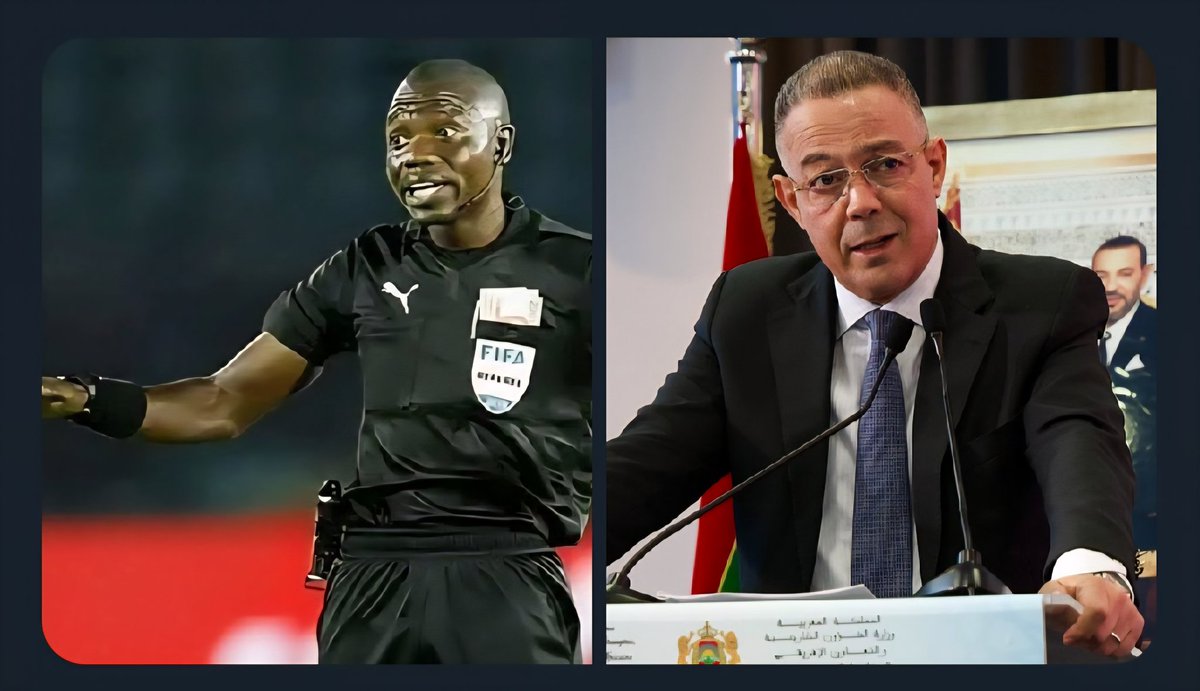
The core of the controversy revolves around accusations that Macron may have exerted undue influence to ensure Morocco secured the rights to host AFCON 2025. These allegations, primarily circulating on platforms like X (formerly Twitter), often lack concrete evidence but are fueled by suspicion and historical political ties between France and Morocco. Users are sharing opinions, unverified claims, and provocative images, contributing to a highly charged online environment.
Understanding the context of these allegations requires delving into the history of Franco-Moroccan relations and the significance of AFCON as a major sporting and cultural event for the African continent. The accusations range from claims of bribery and backroom deals to suggestions of political maneuvering designed to favor Moroccan interests. As the online conversation intensifies, it becomes crucial to separate fact from fiction and analyze the underlying motivations driving these accusations. This article aims to unpack the controversy, examine the social media trends, and evaluate the evidence to provide a clearer understanding of the situation.
Social Media Trend Analysis: Examining the Claims of Corruption Surrounding Macron, Morocco, and AFCON 2025
The digital sphere is currently ablaze with accusations of corruption involving French President Emmanuel Macron, Morocco, and the upcoming AFCON 2025 (Africa Cup of Nations). This section delves into the social media trends driving this narrative, analyzing the claims and sentiments circulating online. The hashtag #AFCON2025, often accompanied by mentions of Macron and Morocco, has become a focal point for these allegations.
Our analysis reveals a surge in online activity, particularly on platforms like X (formerly Twitter), where users are sharing opinions, purported evidence, and commentary related to the alleged corruption. Images and screenshots of documents, often lacking verifiable sources, are being widely circulated as “proof” of wrongdoing. Comment sections are rife with speculation and accusations, fueled by pre-existing geopolitical tensions and historical narratives.
A significant portion of the online conversation revolves around the bidding process for AFCON 2025, with some users alleging that undue influence was exerted to favor Morocco’s bid. Others point to Macron’s close relationship with Morocco as a potential conflict of interest. It’s crucial to note that much of this information is unverified and presented without concrete evidence. The trend highlights the power of social media to amplify allegations, regardless of their factual basis, and the challenges of discerning truth from misinformation in the digital age. Further investigation is needed to determine the veracity of these claims and their potential impact on the integrity of AFCON 2025.
Fact vs. Fiction: Evaluating the Evidence and Implications of the Macron-Morocco-AFCON 2025 Corruption Accusations
The swirling allegations linking French President Emmanuel Macron, Morocco, and the 2025 Africa Cup of Nations (AFCON) are largely unsubstantiated at this point. While social media platforms are rife with claims of corruption influencing the selection of Morocco as the host nation, concrete evidence remains elusive. It’s crucial to differentiate between speculation and verified facts.
Many accusations circulating online appear to stem from conjecture and politically motivated narratives. Images and comments, often shared without context, are being used to fuel the perception of impropriety. A thorough investigation would be required to determine the veracity of these claims. This would involve examining financial records, communications, and decision-making processes related to the AFCON 2025 bidding process.
The implications of these accusations, if proven true, would be significant. They could damage the reputations of those involved, undermine the integrity of AFCON 2025, and potentially lead to sanctions from governing bodies like FIFA and CAF (Confederation of African Football). However, until credible evidence emerges, it’s essential to approach these allegations with caution and avoid spreading misinformation. Responsible reporting and critical evaluation of sources are paramount in navigating this complex situation.