
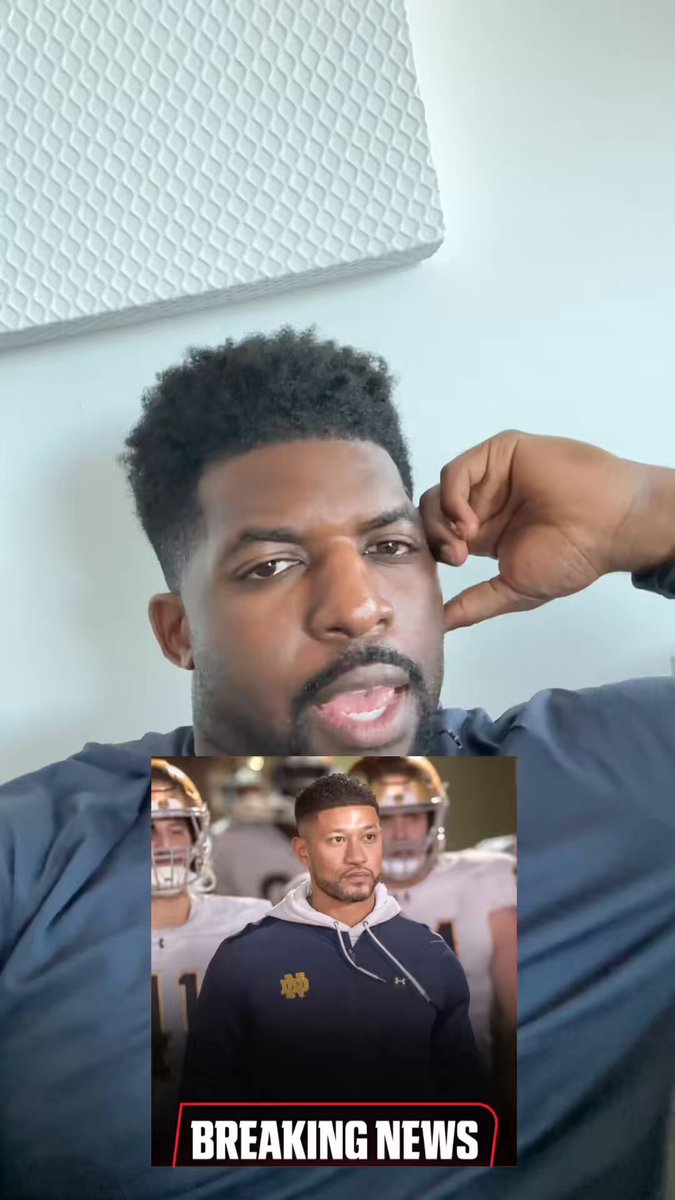
Trending Disappointment: Notre Dame’s Performance Sparks Fan Outrage on Social Media
Notre Dame’s recent performance has ignited a firestorm of criticism across social media platforms, with fans expressing their disappointment and frustration. The trending topic, “Absolutely unacceptable by Notre Dame. I feel bad for the fans,” has garnered significant traction, reflecting the widespread sentiment among the Fighting Irish faithful. With an estimated tweet count of 152,796, the online discourse paints a clear picture of a fanbase deeply disillusioned by the team’s showing.
The outrage isn’t confined to simple expressions of disappointment. A deeper dive into the comments and images circulating on platforms like X (formerly Twitter) reveals a more nuanced understanding of the fans’ concerns. Many are questioning the coaching strategies, player performance, and overall direction of the program. Images of dejected fans in the stands and memes mocking specific plays are being widely shared, amplifying the sense of collective frustration.
This social media uproar serves as a powerful barometer of fan sentiment. The sheer volume of tweets, coupled with the intensity of the commentary, underscores the high expectations placed on Notre Dame football. The online conversation highlights not only the immediate disappointment stemming from recent games but also broader concerns about the team’s long-term trajectory. The digital echo chamber is amplifying the voices of disgruntled fans, creating a challenging environment for the program as it seeks to address these concerns and regain the trust of its loyal supporters.
Analyzing the Twitter Storm: Why Notre Dame’s Recent Performance is “Absolutely Unacceptable”
The digital sphere, particularly Twitter, has become a crucial barometer of public sentiment, and Notre Dame’s recent performance has triggered a veritable tempest. The phrase “Absolutely unacceptable” has become a rallying cry for disgruntled fans, echoing across countless tweets and comments. But what exactly is fueling this online outrage?
A closer examination of the Twitter storm reveals several key themes. Firstly, many fans are pointing to perceived strategic missteps by the coaching staff. Tweets frequently mention questionable play-calling, lack of adjustments during the game, and an apparent inability to capitalize on opponent weaknesses. Screenshots of specific plays and statistical breakdowns are often shared to bolster these arguments.
Secondly, the performance of key players is under intense scrutiny. While individual errors are inevitable, the sheer volume of mistakes, particularly in crucial moments, has drawn considerable criticism. Fans are expressing disappointment with the lack of leadership on the field and the failure to execute fundamental plays. Images and videos highlighting these errors are circulating widely, further amplifying the negative sentiment.
Finally, there’s a broader sense of disillusionment with the program’s overall trajectory. Some fans feel that Notre Dame is consistently underperforming relative to its historical prestige and resources. This sentiment is often expressed through comparisons to other top-tier programs and calls for significant changes within the athletic department. The hashtag #Fire[Coach’sName] (omitting the actual name) has even gained traction, indicating the depth of frustration among a segment of the fanbase. The Twitter storm, therefore, represents more than just a knee-jerk reaction to a single game; it reflects a deeper dissatisfaction with the state of Notre Dame football.
Beyond the Tweets: The Broader Implications of Notre Dame’s Performance and Fan Disillusionment
The digital uproar on platforms like X (formerly Twitter) represents more than just fleeting frustration. It reflects a deeper sense of disillusionment among Notre Dame fans, impacting the program’s reputation, recruiting efforts, and even the university’s broader image. A consistent pattern of underperformance against expectations can erode the strong sense of tradition and pride associated with Notre Dame football.
Recruiting is a crucial area affected by on-field performance. Potential recruits and their families closely watch game outcomes and fan reactions. A program perceived as consistently falling short of its potential may struggle to attract top-tier talent, creating a negative feedback loop. The “absolutely unacceptable” sentiment, amplified across social media, can resonate with prospective players, influencing their college choices.
Furthermore, the financial implications of fan disillusionment cannot be ignored. Declining ticket sales, reduced merchandise purchases, and decreased alumni donations can strain the athletic department’s resources. The passionate Notre Dame fanbase is a significant source of revenue, and their sustained disappointment could have long-term financial consequences. Ultimately, addressing the concerns voiced on social media requires a comprehensive strategy that goes beyond short-term fixes and focuses on building a consistently competitive and successful football program that aligns with the high expectations of its loyal supporters.