
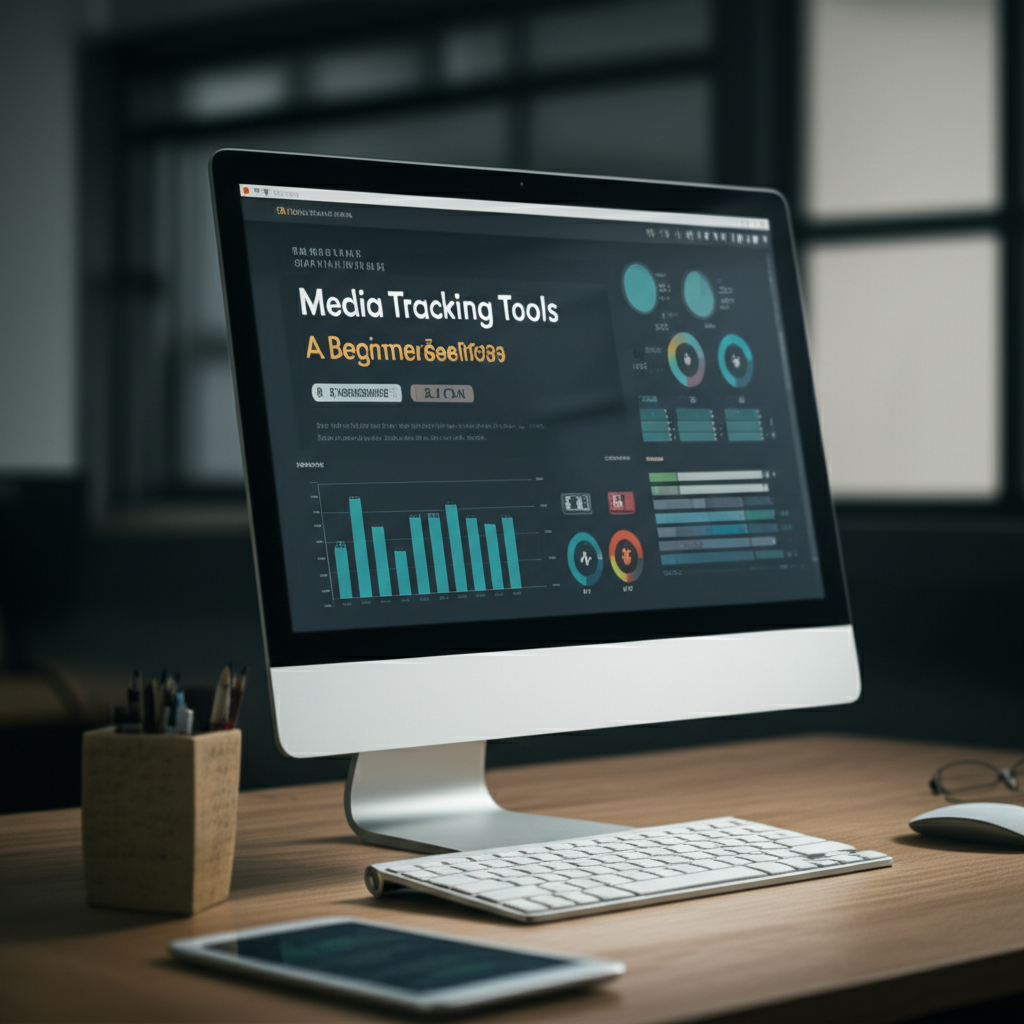
Understanding Media Tracking: An Introductory Overview
In today’s complex media landscape, understanding where your message is being seen and heard is more critical than ever. Media tracking, at its core, is the process of monitoring and analyzing media coverage across various channels. This includes everything from traditional outlets like television, radio, and print, to digital platforms such as websites, social media, and online forums.
Why is media tracking so important? Simply put, it provides valuable insights into the reach and impact of your brand, campaigns, and overall communication efforts. By tracking mentions, sentiment, and key themes, you can gain a deeper understanding of how your target audience perceives your message. This information is crucial for making informed decisions about your media strategy and optimizing your communication efforts for maximum effectiveness.
Think of media tracking as a sophisticated listening tool. It allows you to “listen” to the conversations happening around your brand and industry. This “listening” provides data that can be used to measure the success of public relations campaigns, identify emerging trends, manage your brand reputation, and even gain a competitive advantage. Without media tracking, you’re essentially operating in the dark, making decisions based on guesswork rather than concrete data.
This guide will walk you through the essentials of media tracking, from understanding its key features to implementing effective strategies and analyzing the data you collect. Whether you’re a seasoned marketing professional or just starting out, this comprehensive overview will provide you with the knowledge and tools you need to navigate the world of media tracking with confidence.
Key Features and Functionalities of Media Tracking Tools
Media tracking tools offer a range of features designed to monitor and analyze media performance across various channels. Understanding these functionalities is crucial for leveraging these tools effectively. One core feature is real-time monitoring, which allows users to track media mentions, brand sentiment, and campaign performance as they happen. This immediate feedback enables quick adjustments to strategies for optimal results.
Another key functionality is automated data collection. Media tracking tools automatically gather data from diverse sources, including news websites, social media platforms, blogs, and forums. This eliminates the need for manual data collection, saving time and resources while ensuring comprehensive coverage.
Sentiment analysis is also a vital feature. These tools use natural language processing (NLP) to determine the emotional tone behind media mentions, categorizing them as positive, negative, or neutral. This helps businesses understand public perception of their brand and products.
Furthermore, media tracking tools provide reporting and analytics capabilities. Users can generate customized reports to visualize data, identify trends, and measure the impact of media campaigns. These reports often include metrics such as reach, engagement, and share of voice.
Finally, alerting and notification systems keep users informed of important media mentions or changes in sentiment. Customizable alerts ensure that relevant information is delivered promptly, enabling timely responses to emerging issues or opportunities.
Selecting the Right Media Tracking Tool: A Step-by-Step Guide
Choosing the right media tracking tool can feel overwhelming, given the variety of options available. This section provides a step-by-step guide to help you navigate the selection process and find a tool that aligns with your specific needs and goals.
Step 1: Define Your Objectives. Before you start evaluating tools, clearly define what you want to achieve with media tracking. Are you primarily focused on brand mentions, competitor analysis, campaign performance, or a combination of these? Identifying your objectives will help you prioritize the features that matter most.
Step 2: Identify Key Features. Based on your objectives, determine the essential features you need. Consider factors like the range of media sources tracked (social media, news sites, blogs, etc.), the accuracy of sentiment analysis, the availability of real-time data, and the ability to generate custom reports.
Step 3: Evaluate Different Tools. Research and compare different media tracking tools based on your identified features. Look for user reviews, case studies, and product demos to get a better understanding of each tool’s capabilities and limitations. Pay attention to the user interface and ease of use, as this will impact your team’s efficiency.
Step 4: Consider Scalability and Integration. Think about your future needs and choose a tool that can scale with your business. Also, ensure that the tool integrates seamlessly with your existing marketing and analytics platforms to avoid data silos and streamline your workflow.
Step 5: Assess Pricing and Support. Media tracking tools come with varying pricing models. Evaluate the cost-effectiveness of each tool based on its features and your budget. Also, consider the level of customer support offered, including training resources, documentation, and technical assistance.
Implementing and Utilizing Media Tracking Tools Effectively
Once you’ve selected the right media tracking tool, the next crucial step is implementing and utilizing it effectively. This involves proper setup, integration with your existing systems, and consistent monitoring to ensure accurate data collection. A well-executed implementation strategy is key to unlocking the full potential of your chosen tool.
Initial Setup and Configuration: Begin by carefully configuring the tool according to your specific needs. This includes defining the media channels you want to track (e.g., social media, websites, print), setting up relevant keywords and search terms, and establishing parameters for data collection. Pay close attention to the tool’s settings to avoid missing important mentions or skewing your data.
Integration with Existing Systems: Seamless integration with your CRM, marketing automation platform, and other relevant systems is essential for a holistic view of your media performance. This allows you to correlate media mentions with customer behavior, sales data, and other key metrics. Ensure that data flows smoothly between these systems to avoid data silos and enable comprehensive analysis.
Training and Onboarding: Provide adequate training to your team on how to use the media tracking tool effectively. This includes understanding the tool’s features, interpreting the data, and generating reports. A well-trained team will be able to leverage the tool to its full potential and make data-driven decisions.
Regular Monitoring and Maintenance: Media landscapes are constantly evolving, so it’s important to regularly monitor and maintain your media tracking tool. This includes updating keywords, refining search parameters, and ensuring that the tool is accurately capturing relevant mentions. Consistent monitoring will help you stay ahead of the curve and adapt your strategies as needed.
Analyzing Media Tracking Data and Optimizing Strategies
Once you’ve implemented media tracking tools, the real work begins: analyzing the data they provide. This data is a goldmine of insights into how your audience interacts with your content across various platforms. Understanding these insights is crucial for optimizing your media strategies and achieving your desired outcomes.
The first step is to identify key performance indicators (KPIs) relevant to your goals. Are you aiming to increase brand awareness, drive website traffic, or generate leads? Common KPIs include reach, impressions, engagement rate (likes, shares, comments), click-through rate (CTR), and conversion rate. Your media tracking tool will present this data in various formats, such as charts, graphs, and reports.
Carefully examine these reports to identify trends and patterns. Which platforms are performing best? What types of content resonate most with your audience? Are there specific times of day or days of the week when engagement is highest? Look for correlations between different metrics. For example, a high reach might not translate into a high conversion rate, indicating a need to refine your targeting or messaging.
Based on your analysis, adjust your media strategies accordingly. If a particular platform is underperforming, consider reallocating resources to more effective channels. Experiment with different content formats, headlines, and calls to action to see what drives the best results. A/B testing can be invaluable for optimizing your campaigns. Regularly monitor your data and make ongoing adjustments to ensure you’re maximizing your impact and achieving your objectives.